Vivobarefoot Australia Review 2026: Are Barefoot Shoes Actually Worth It?
The barefoot shoe movement has moved well beyond niche fitness circles into mainstream footwear. Vivobarefoot sits at the centre of this shift — a brand that’s been refining minimalist footwear since 2012, building shoes with ultra-thin soles designed to let your feet move the way nature intended. After testing multiple models across different terrains and activities in Australia, here’s an honest assessment of whether they deliver on their promises.
What Makes Vivobarefoot Different?
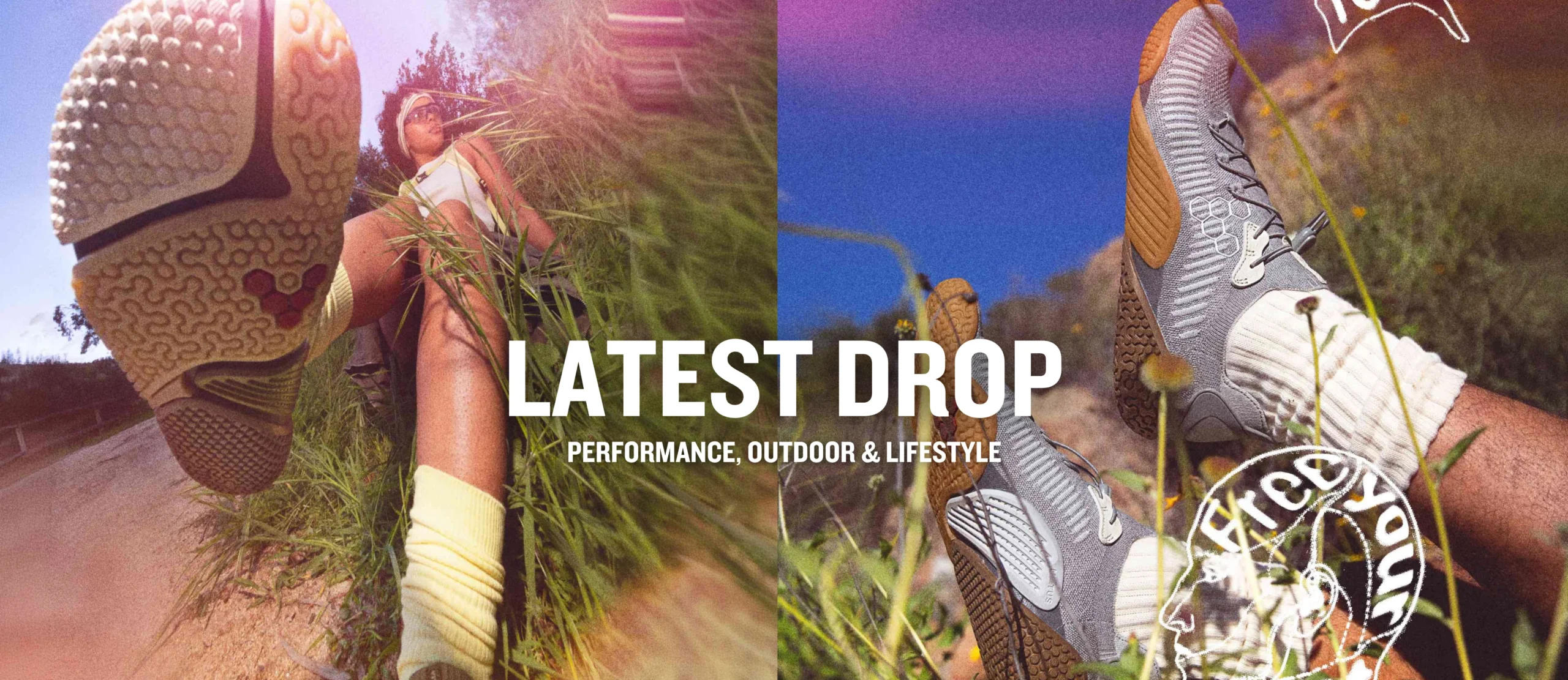
Vivobarefoot builds shoes around three core principles: thin soles for ground feel, wide toe boxes for natural splay, and flexible construction that doesn’t restrict foot movement. While most conventional shoes stack 20–30mm of cushioning between your foot and the ground, Vivobarefoot uses just 3–6mm of patented puncture-resistant sole material.
The theory is straightforward: feet that can feel the ground develop stronger muscles, better balance, and more natural gait patterns. Traditional shoes essentially put your feet in casts — supportive, yes, but at the cost of the foot’s natural strength and proprioception. The scientific backing for this approach has grown substantially, with research from institutions like Harvard’s Skeletal Biology Lab demonstrating measurable benefits in foot muscle strength and arch height from regular barefoot activity.
Product Range Overview
The Vivobarefoot Australian store carries the full global range. Here’s what’s available:
| Category | Key Models | Price Range (AUD) | Best For |
|---|---|---|---|
| Everyday | Primus Lite III, Geo Court III | $180 – $250 | Daily wear, commuting |
| Trail & Outdoor | Primus Trail III, Tracker Forest | $220 – $380 | Hiking, trail running |
| Training | Primus Lite Knit, Motus Strength | $200 – $270 | Gym, CrossFit, lifting |
| Water | Primus Trail Swim Run | $230 – $280 | Water sports, swim-run |
| Winter | Tracker Snow, Magna Forest | $300 – $420 | Cold weather, snow |
| Kids | Primus Kids, Ultra Kids | $100 – $160 | School, play |
Primus Lite III: The Gateway Barefoot Shoe
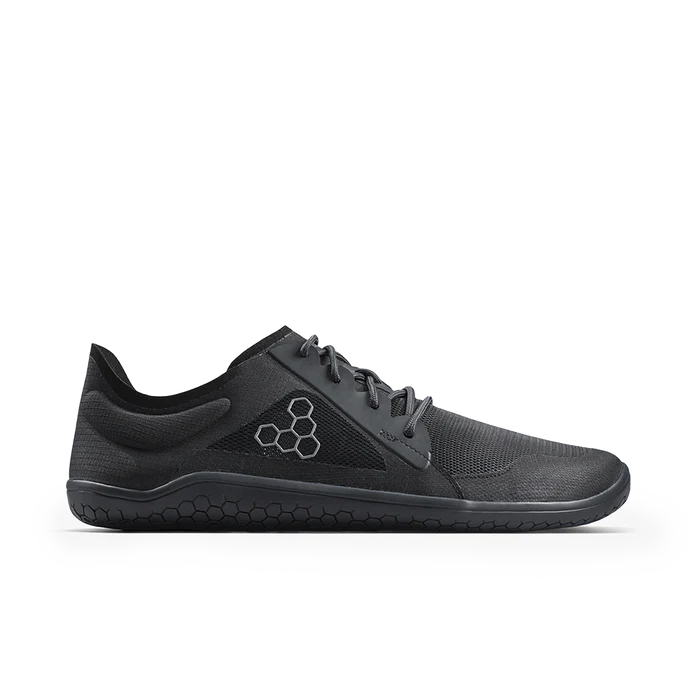
If you’re considering your first pair of Vivobarefoot shoes, the Primus Lite III is the model most people start with — and for good reason. It’s the brand’s most versatile shoe: light enough for gym sessions, presentable enough for casual wear, and durable enough to handle daily commuting.
The upper uses a breathable mesh that keeps feet cool during Australian summers, and the 4mm sole provides decent ground feel without leaving you wincing on rough surfaces. Weight sits at just 170g for a men’s size 42, which feels almost impossibly light compared to conventional trainers.
What impressed most during extended testing was the toe box width. After wearing conventional shoes, switching to the Primus Lite feels like taking your feet out of a restrictive container — toes can spread naturally, which significantly improved balance during lifting sessions and long walks.
Primus Trail III: Australian Trail Performance
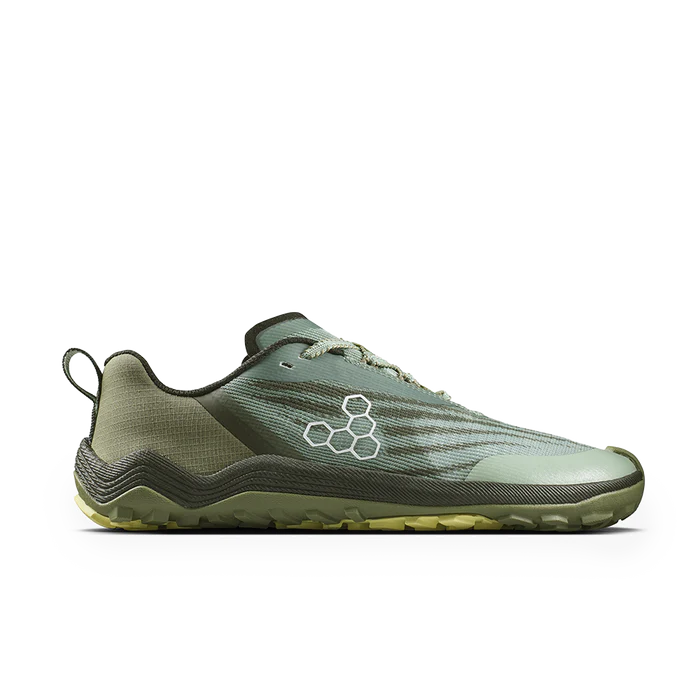
Australia’s trail diversity — from Blue Mountains sandstone to Victorian coastal paths — demands a lot from trail shoes. The Vivobarefoot Primus Trail III handles this better than expected.
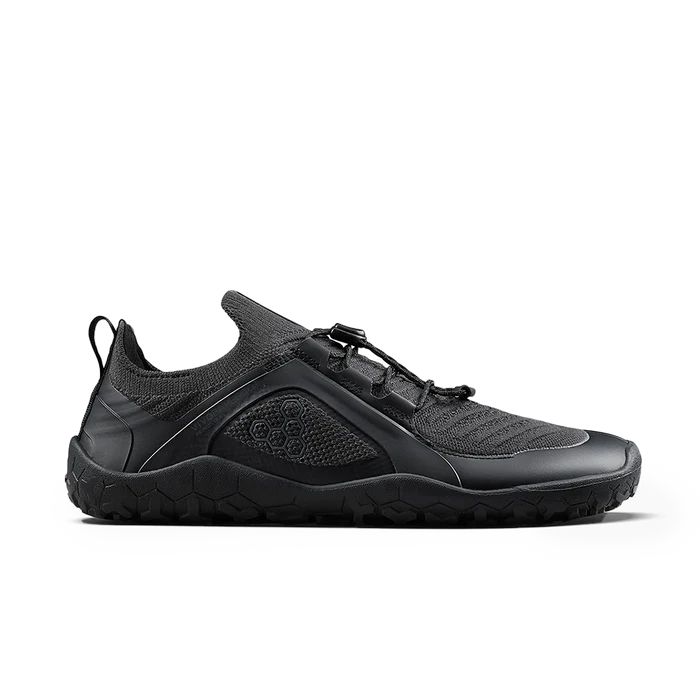
The Megagrip outsole (an upgrade from earlier models) provides reliable traction on wet rock and loose gravel. The 6mm sole thickness offers sufficient protection from sharp stones while maintaining enough ground feedback to feel the terrain beneath your feet — which, counterintuitively, makes you a more sure-footed hiker because your feet naturally adjust to surface changes.
The one caveat: long descents on rocky terrain can be fatiguing compared to cushioned trail shoes. Your feet work harder in barefoot shoes, and on multi-hour hikes, this becomes noticeable. It’s not a dealbreaker, but it’s worth acknowledging for anyone planning serious bushwalking.
The Transition Period — The Part Most Reviews Understate
This is the most critical section for anyone considering Vivobarefoot. Switching from conventional shoes to barefoot footwear requires a genuine transition period, and rushing it can cause problems.
Here’s what to expect:
- Week 1–2: Your calves and foot muscles will feel worked, similar to starting a new exercise routine. Wear barefoot shoes for 1–2 hours daily maximum
- Week 3–4: Muscle soreness decreases. Increase wear time to 3–4 hours
- Month 2–3: Most people can wear barefoot shoes comfortably all day. Foot arch strength noticeably improves
- Month 3+: Conventional shoes start feeling uncomfortable by comparison. Your gait naturally shifts toward a midfoot or forefoot strike
The biggest mistake new users make is going all-day immediately. Vivobarefoot themselves recommend gradual transition, and this advice should be taken seriously. Calf strains and metatarsal soreness are common complaints from people who skipped the adaptation phase.
Build Quality and Materials
Vivobarefoot has invested heavily in sustainable materials. The brand uses recycled plastics, natural rubber, and bio-based textiles across much of its range. Specific models feature wool sourced from regenerative farms and leather from environmentally certified tanneries.
Build quality is generally excellent. Stitching is tight, sole bonding is secure, and the materials feel premium. Across six months of rotating three different models, none showed concerning wear patterns. The soles, despite being thin, are remarkably resistant to wear — the puncture-resistant layer handles broken glass and sharp pebbles without issue.
The one area where quality varies is between specific models. Some users report fit inconsistencies — a shoe that fits perfectly in one style may feel tight in another. This is worth noting because, at the $200+ AUD price point, getting the right fit matters.
Sustainability Credentials
Vivobarefoot backs its sustainability claims with B Corp certification and transparent supply chain reporting. They publish impact reports annually, and their ReVivo programme accepts worn shoes for reconditioning and resale, keeping them out of landfill.
For Australian buyers specifically, the brand partners with local environmental organisations and sources some materials from Australian producers. This isn’t greenwashing — it’s documented, measurable commitment to reducing environmental impact.
Pricing in Australia
Let’s be direct: Vivobarefoot shoes are expensive. Entry-level models start around $180 AUD, and premium trail and winter boots can exceed $400 AUD. This is significantly more than mainstream brands like Nike or Asics, though comparable to other premium barefoot brands like Xero Shoes or Lems.
The value argument rests on two factors: durability (these shoes last longer than most conventional alternatives) and foot health benefits (reduced injury risk, stronger feet, better balance). Whether that justifies the premium depends on how much you value those outcomes.
The Australian store runs periodic sales — EOFY, Black Friday, and seasonal clearances typically offer 20–30% discounts. Signing up for the newsletter gets early access to these promotions.
How Vivobarefoot Compares
| Feature | Vivobarefoot | Xero Shoes | Merrell Vapor Glove |
|---|---|---|---|
| Sole Thickness | 3–6mm | 5.5mm | 6mm (+ 1mm insole) |
| Toe Box Width | Very wide | Wide | Moderate |
| Price Range (AUD) | $180–$420 | $130–$280 | $140–$180 |
| Sustainability | B Corp, ReVivo | Limited | Some recycled |
| Model Range | Extensive | Moderate | Limited |
| AU Availability | Dedicated AU store | International shipping | Retail + online |
Vivobarefoot leads on sustainability, range breadth, and Australian availability. Xero Shoes offers better value for budget-conscious buyers. Merrell Vapor Glove provides a barefoot-adjacent option at mainstream pricing but with less committed minimalist design.
Who Should Buy Vivobarefoot?
- People with foot pain from conventional shoes — particularly plantar fasciitis, bunions, or Morton’s neuroma sufferers who want to strengthen rather than support
- Gym and CrossFit enthusiasts — the flat, zero-drop sole is ideal for lifting and functional training
- Trail runners and hikers who want ground feel without going fully barefoot
- Sustainability-conscious buyers who want verified environmental credentials
- Parents who want to let children’s feet develop naturally rather than being shaped by restrictive shoes
Who Should Think Twice?
- Road marathon runners — the lack of cushioning over extended road distances can be punishing
- People with acute Achilles tendon issues — the zero-drop heel increases Achilles loading
- Anyone who needs arch support for medical reasons — consult a podiatrist before switching
- Budget shoppers — there are cheaper barefoot options available if price is the primary concern
Frequently Asked Questions
Does Vivobarefoot ship free to Australia?
Vivobarefoot offers free standard shipping on Australian orders over $150 AUD, which covers most purchases since even entry-level shoes exceed that threshold. Express shipping is available for an additional fee.
Can I return Vivobarefoot shoes if they don’t fit?
Yes. The brand offers returns within 30 days of purchase for unworn shoes in original packaging. Given the fit variability between models, ordering your usual size and being prepared to exchange is sensible advice.
Are barefoot shoes safe for people with flat feet?
For most people, yes — in fact, barefoot shoes can help strengthen the intrinsic foot muscles that support the arch. However, if you have a structural flat foot condition (as opposed to weak-arch flat feet), consulting a podiatrist before transitioning is recommended.
How long do Vivobarefoot shoes last?
With regular daily wear, expect 12–18 months from most models. The soles are the most durable component; uppers tend to show wear first, particularly mesh models used in high-abrasion activities. The ReVivo programme offers refurbished options at reduced prices, which helps offset replacement costs.